
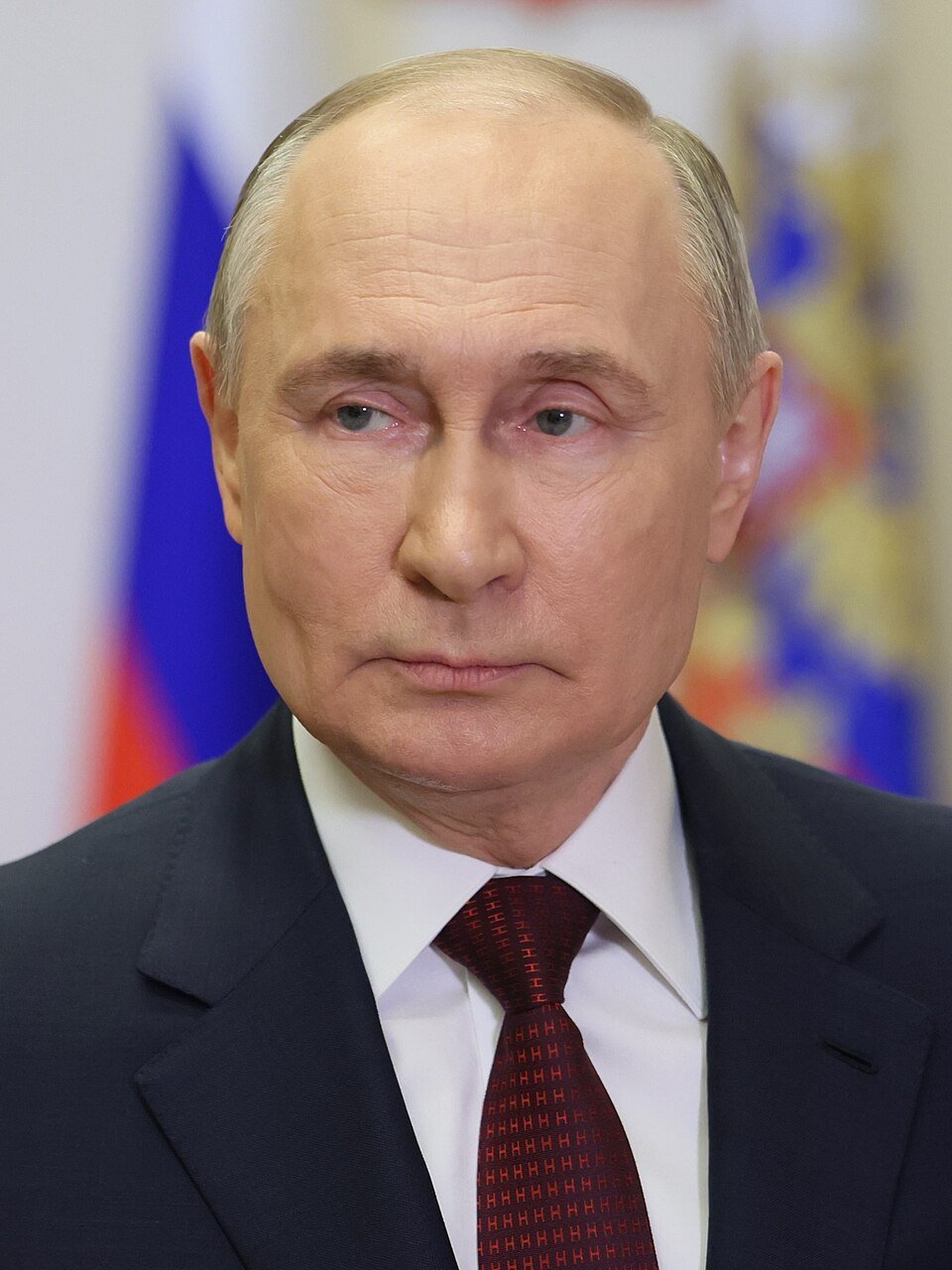
When tracking the political landscape of modern Russia, many people wonder about Putin age and how time influences his long rule. Vladimir Putin, correctly spelled Vladimir Putin, has shaped global politics for more than twenty-five years through shifting alliances and strict domestic control.
| Full name | Vladimir Vladimirovich Putin |
|---|---|
| Nationality | Russian |
| Known for | President and Prime Minister of Russia |
| Years active | to present |
Early Background and Education
Born in Leningrad, which is now Saint Petersburg, Vladimir grew up in a working-class household. During his youth, he developed a strong interest in martial arts, specifically sambo and judo, which became lifelong pursuits. He studied law at Leningrad State University, where he graduated before entering public service.
Academic life during the Soviet era shaped his early worldview and discipline. His legal training provided a foundation that later aided his rise through administrative and security structures. These formative years laid the groundwork for his future path in governance, establishing habits of mind that prioritized structured compliance and order.
Growing up in postwar Leningrad also left a distinct imprint on his outlook. The city was still recovering from the devastation of the Second World War, a historical backdrop that deeply influenced the collective consciousness of his generation. His participation in competitive sports taught him tactical discipline and emotional control, traits that would later define his public persona.
Intelligence Career in the KGB
Following his university studies, he joined the Committee for State Security, commonly known as the KGB. He served as an intelligence officer for the Soviet Union, spending several years stationed in East Germany during the Cold War. This period honed his skills in surveillance, information gathering, and strategic calculation.
His intelligence background deeply influenced his administrative style and approach to national security. Colleagues from that era often noted his reserved manner and meticulous attention to detail. These traits carried over into his later civilian government roles, allowing him to navigate complex bureaucratic hierarchies with ease.
Stationed in Dresden during a time of immense geopolitical tension, he observed firsthand the collapse of East Bloc communist regimes as the Soviet Union weakened. That experience of sudden institutional decay is widely believed to have shaped his subsequent aversion to popular uprisings and revolutionary changes.
Rise to National Power
After the collapse of the Soviet Union, he returned to Saint Petersburg to work in city administration under Mayor Anatoly Sobchak. By the late nineteen-nineties, he moved to Moscow and quickly climbed the ranks within the federal government. He served as the head of the Federal Security Service before being appointed prime minister.
Boris Yeltsin resigned and named him acting president, setting the stage for his first official election victory. Over the subsequent decades, he alternated between the presidency and the prime ministership, maintaining central authority over the state.
His initial ascension was seen by many political observers as a stabilizing force following the chaotic economic reforms and political turbulence of the decade. By projecting an image of decisive leadership and restoring order, he quickly gained substantial domestic popularity that formed the bedrock of his long-term political durability.
Governance and Domestic Control
According to Wikipedia, under his administration, the Russian political system transformed into a centralized, authoritarian structure often described as a personality cult. Key political institutions and regional governance bodies were brought under tighter federal oversight. Wealthy business leaders who challenged state authority faced prosecution or exile, while loyal figures secured control of major economic sectors.
This governance model relies heavily on a network of close allies who manage energy, security, and financial verticals. Public media outlets were largely consolidated under state influence, ensuring a dominant narrative across national television and print. Meanwhile, the administration promoted traditional social values and conservative policies to cement public support.
The state also systematically dismantled independent political opposition through legal hurdles, electoral manipulation, and the suppression of unsanctioned public protests. By ensuring that no viable political alternative could organize effectively, the administration secured an environment where its political dominance remained unchallenged for decades.
Foreign Relations and International Standing
Foreign policy under his leadership has been marked by a consistent push to restore Russia as a major global power. Relations with Western nations and NATO deteriorated significantly following military interventions in neighboring states, most notably the invasion of Ukraine. These actions drew widespread international sanctions and isolated Moscow from many traditional diplomatic partners.
At the same time, his administration cultivated closer economic and strategic ties with Asian nations, particularly China. This pivot toward the East served to offset Western financial restrictions and secure alternative markets for Russian energy exports. Understanding these geopolitical maneuvers helps explain why Putin age remains a frequent topic of debate among foreign analysts watching for potential succession scenarios.
Throughout his tenure, military development has remained a top priority. Investments in modern weaponry and strategic defense capabilities have allowed Moscow to project influence far beyond its immediate borders, engaging in diplomatic and military maneuvering across the Middle East, Africa, and Latin America.
Actuarial Realities and Succession Planning
As discussions about Putin age continue to circulate in diplomatic circles, analysts frequently evaluate what the future holds for Russia’s centralized political model. Having celebrated his seventy-third birthday in October 2025, he has already surpassed average male life expectancy statistics within Russia.
Because the nation’s political structure is heavily personalized around a single leader, the absence of a transparent or institutionalized succession mechanism creates long-term uncertainty. Observers note that the regime relies on a complex network of elites and security insiders who manage key economic sectors. When leadership transitions eventually occur, they will test the resilience of this limited access order.
Frequently Asked Questions
How long can Putin remain president?
Constitutional reforms allow him to potentially remain in power, depending on future elections and his physical health. However, the exact duration depends on unpredictable political and biological factors.
What happened to Putin’s wife?
He was married to Lyudmila Putina for decades until the couple announced a mutual divorce. Since then, she has largely remained out of the public eye.
What ethnicity is Vladimir Putin?
He is ethnically Russian, born to Russian parents in Leningrad during the Soviet era.
How much of Russia is against Putin?
Measuring internal political opposition is difficult due to strict state control over polling and public dissent. While national elections consistently return large majorities for his administration, independent observers note that open opposition is heavily suppressed.