
Louis Chevrolet, correctly spelled Louis-Joseph Chevrolet, is a Swiss-born American racing driver, mechanic, and entrepreneur who co-founded the famous vehicle company that still bears his name. He spent his early years mastering mechanics before immigrating to North America, where he became a fearless competitor on the dirt tracks and speedways of the early twentieth century.
| Full name | Louis-Joseph Chevrolet |
|---|---|
| Also known as | Louis Chevrolet |
| Born | December 25, 1878, Switzerland |
| Died | June 6, 1941 |
| Nationality | Swiss-American |
| Profession | Racing driver, mechanic, entrepreneur |
| Known for | Co-founding the Chevrolet Motor Car Company |
| Siblings | Arthur Chevrolet, Gaston Chevrolet |
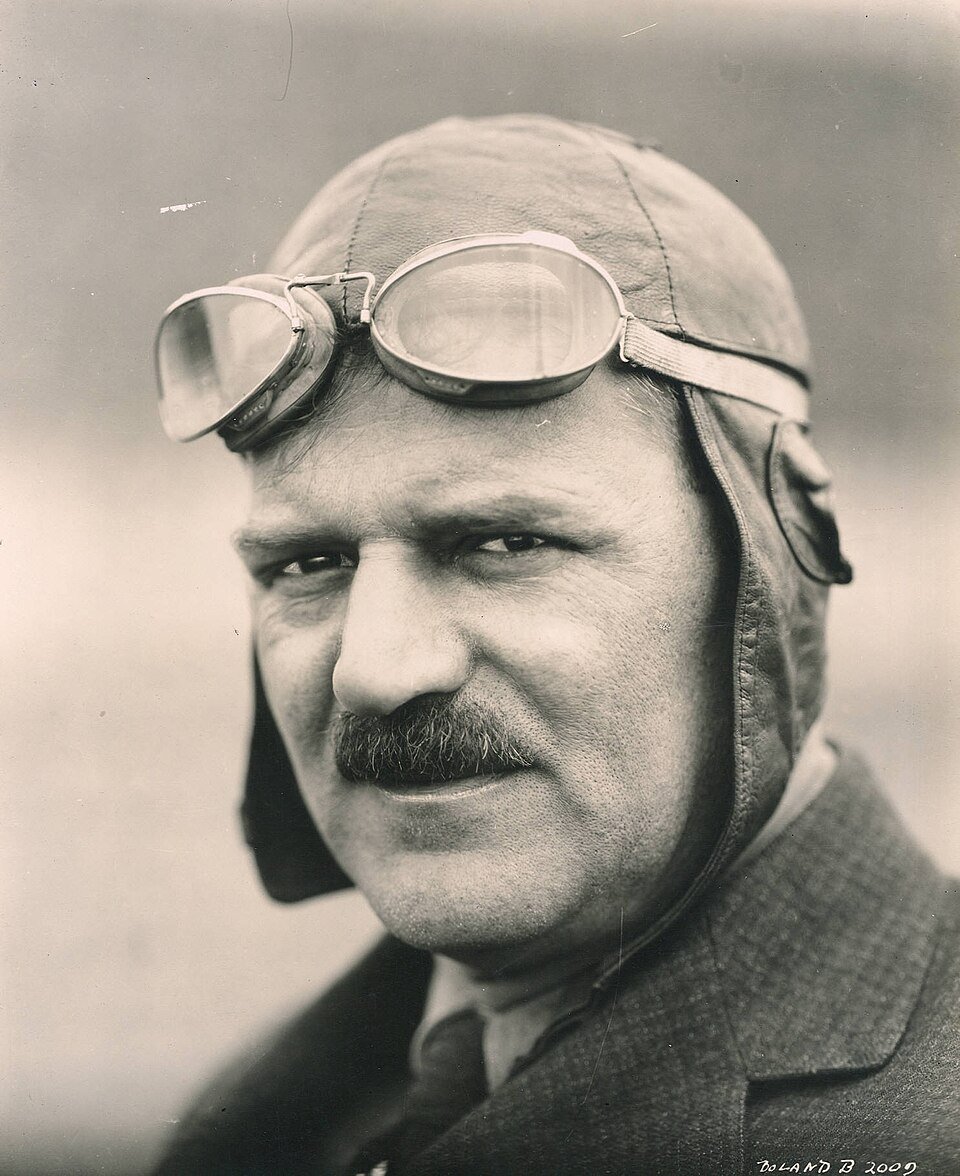
Early Roots and the Road to Mechanics
Born on December 25, 1878, in La Chaux-de-Fonds, Switzerland, Louis spent much of his childhood in the Jura mountain region. His father worked as a watchmaker, but when economic hard times hit the family, they crossed the border into Beaune, France. Financial struggles worsened there, forcing Louis to drop out of school at just eleven years old to help feed his family.
He found work at a local bicycle workshop, where he learned the basics of repairing carriages and two-wheeled machines. By the time he reached his mid-teens, he had designed his own bicycle called the Frontenac and rode it to victory in several local competitions. This hands-on mechanical training laid the groundwork for his future in the fast-growing automotive industry.
Arriving in America and Racing Success
After moving to the United States, Louis quickly made a name for himself as a daring and skilled race car driver. According to IMS Museum, he beat racing legends Barney Oldfield and Walter Christie in a three-mile sprint using a Fiat soon after arriving in the country. Employers sometimes worried about his safety, feeling he was too valuable as an engineer to risk injury on the track.
Despite those employer concerns, he accumulated ten National Championship race wins between 1909 and 1919. One of his most notable victories came at the 395-mile Cobe Cup race held in Lowell, Indiana, in 1909. His fearless driving style and mechanical genius drew the attention of industry giants who wanted to harness his talent for commercial vehicle production.
Partnership with William Durant and Founding the Company
In 1911, Louis teamed up with his brother Arthur and General Motors founder William C. Durant to establish the Chevrolet Motor Car Company. The timing matched a period when the automobile was transforming from a luxury novelty into practical transportation across the country. Louis brought technical expertise and engineering credibility to the newly formed business venture.
However, creative differences and disagreements with Durant soon strained the partnership. Louis believed in building high-end, expensive racing machines, while Durant wanted to mass-produce affordable cars for the everyday buyer. These conflicting visions led to a permanent falling out between the co-founders.
Leaving the Corporation and Building Racers
By 1915, Louis decided to walk away from the massive enterprise bearing his family name, selling off all his stock. He and his brother Arthur moved to Indianapolis to start building racing cars independently, though they were barred from using their own family name on the vehicles. They threw themselves into designing specialized machinery for competitive tracks.
Their engineering skills soon paid off on the biggest stage in American motorsport. They became the first builders to win the Indianapolis 500 in consecutive years with different drivers. A Monroe Special took the crown in 1920 driven by their younger brother Gaston, followed by a Frontenac Special winning in 1921 driven by Tommy Milton.
Later Business Ventures and Economic Hardship
In 1922, the brothers formed the Chevrolet Brothers Manufacturing Company to produce parts and complete vehicles. They created a large number of single-seat dirt track racers known as Fronty Fords, which were modified Ford Model Ts outfitted with Frontenac cylinder heads. These machines became immensely popular among local racing enthusiasts across the nation.
Unfortunately, financial success did not follow him into his later years, especially as the Great Depression took hold of the economy. While the massive corporation bearing his name generated millions of dollars in profit, Louis eventually found himself working inside one of its factories just to make a living. He passed away on June 6, 1941, leaving behind a complex legacy in American automotive history.
Remembering the Pioneer of Speed
The journey of Louis Chevrolet reflects both the triumphs and heartbreaks of early industrial entrepreneurship. From humble beginnings repairing bicycles in France to designing championship-winning speed machines, his hands shaped the foundational era of motorsport. Modern automotive enthusiasts still recognize his last name on millions of vehicles every day, even if the man himself received little of the wealth his brand eventually generated.
Understanding his story sheds light on the fierce rivalries and creative clashes that built the modern car industry. He chose engineering passion over corporate safety, a decision that cost him a fortune but secured his place in racing history. Whenever you see a bowtie emblem on a modern highway, you are looking at the distant shadow of a Swiss mechanic who lived for the thrill of the track.
Frequently Asked Questions
What happened to Louis Chevrolet?
After leaving the company he co-founded, Louis struggled financially during the Great Depression and eventually worked in one of his former company’s factories before passing away in 1941.
What was Louis Chevrolet known for?
He was celebrated as a daring racing driver, a skilled mechanic, and the co-founder of the Chevrolet Motor Car Company alongside William Durant.
How did Louis Chevrolet and William Durant meet?
They met through automotive circles, where Louis had built a strong reputation as a winning race car driver and capable engineer.
Why did Louis Chevrolet leave General Motors?
He left due to major disagreements with William Durant over the direction of vehicle design, as Louis wanted to build expensive racing cars while Durant wanted affordable mass-market vehicles.