
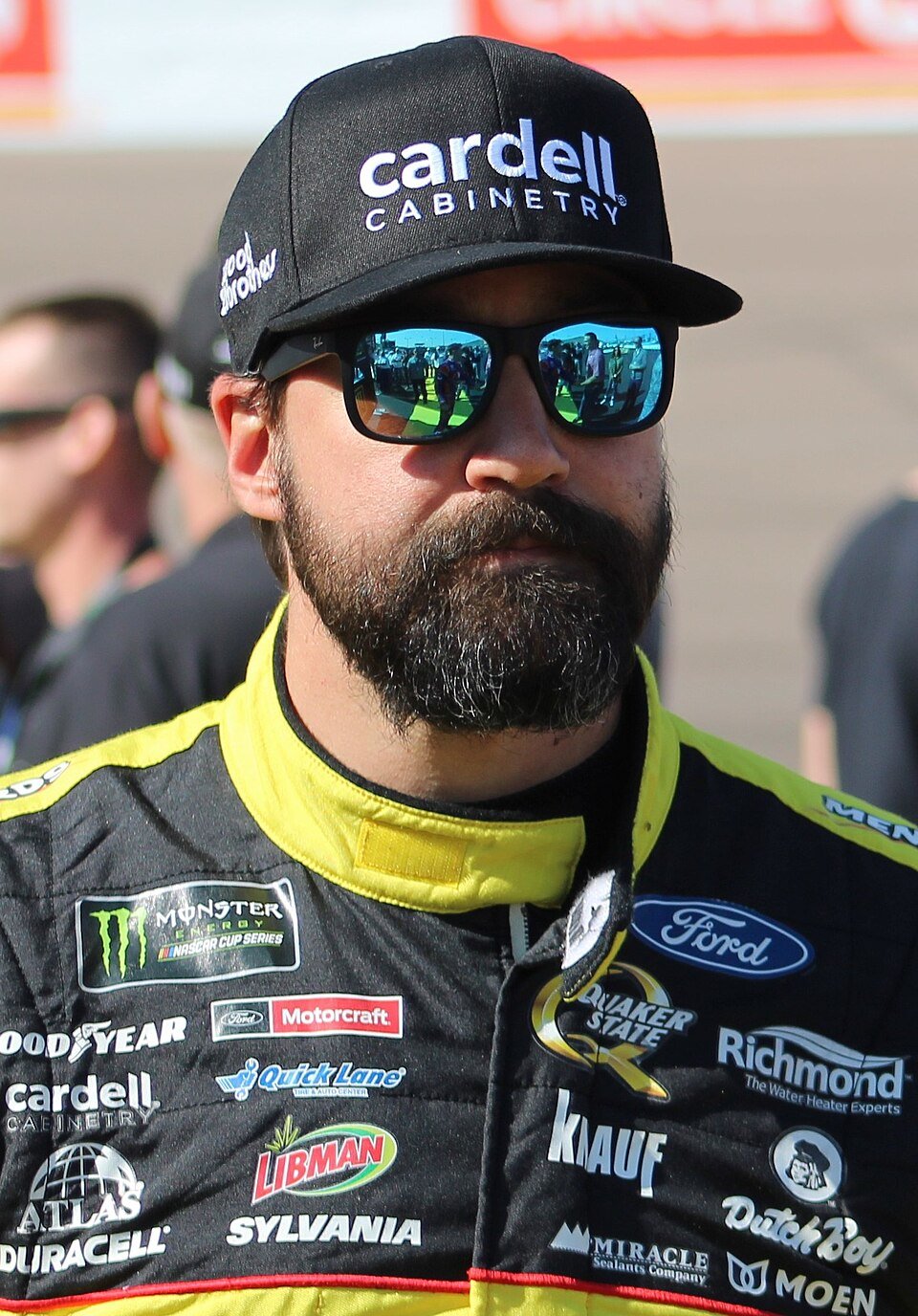
Paul Menard is a prominent figure in professional motorsports, celebrated for his dedication, calm demeanor, and deep family roots in racing. Born Paul Matchefts Menard, the American driver built a steady career competing at the highest levels of stock car racing. You might know him best for his enduring presence on the track and his memorable victory in one of the sport’s crown jewel events.
| Full name | Paul Matchefts Menard |
|---|---|
| Born | August 21, 1980 |
| Profession | Racing driver |
| Height | 5-10 |
Early Roots and Background
Growing up surrounded by the automotive industry shaped the trajectory of his life from an early age. His family background provided a unique entry point into the competitive world of speed and engineering. Long before he started turning professional laps, he learned the mechanical side of vehicles by spending time around workshops and garages. This hands-on understanding of how race cars function gave him an advantage when communicating feedback to his crew chiefs.
As a young competitor, he climbed through the regional racing ranks by logging thousands of miles on local short tracks. Patience became his trademark trait during these formative years, allowing him to save equipment while other drivers burned their tires off too early. Observers quickly noticed that he possessed a level-headed approach rarely seen in teenagers trying to break into top-tier circuits. That steady temperament served as the foundation for a long professional journey.
Climbing the NASCAR Ladder
Making the jump to national touring series required navigating various development teams and regional divisions. He competed in lower divisions like the ARCA series before landing opportunities to run full-time schedules in national series. Over the years, he drove for several notable organizations, including Dale Earnhardt, Inc., Yates Racing, and Richard Petty Motorsports. Each stop brought different challenges, requiring him to adapt quickly to changing car characteristics and team dynamics.
Transitioning through different garages taught him how to work effectively with diverse groups of mechanics and engineers. While some drivers demand cars tailored solely to an aggressive style, he preferred a stable setup that he could manage across long green-flag runs. That smooth style made him a reliable teammate who could deliver consistent finishes. You could count on him to bring the car home in one piece, avoiding unnecessary crashes that cost teams valuable repair time and budget points.
The Defining Brickyard Victory
The crowning achievement of his career came in 2011 during the historic Brickyard 400 at Indianapolis Motor Speedway. Driving for Richard Childress Racing, he saved fuel expertly in the closing laps while holding off charging rivals to secure his first Cup Series victory. In the long history of that prestigious event, he remains the only driver to score his very first career Cup win at the Brickyard. Fans packed the grandstands to witness the emotional celebration in victory lane.
That afternoon changed how competitors and analysts viewed his capabilities behind the wheel. Critics who labeled him strictly as a funded driver had to reevaluate his racecraft after seeing how he managed fuel mileage under immense pressure. According to Wikipedia, his extensive career spanned multiple decades across top-tier racing divisions. The victory at Indianapolis cemented his status as a legitimate winner on the toughest stage in American stock car racing.
Later Career and Wood Brothers Racing
After his tenure with Richard Childress Racing concluded, he found a comfortable final home with Wood Brothers Racing. Driving the iconic historic car number 21 allowed him to connect with the deep traditions of the sport. The smaller, tight-knit team operated as a technical alliance partner with larger organizations, punching above its weight class on a regular basis. He brought stability and veteran leadership to the legendary outfit during his full-time seasons there.
Even as younger talent flooded the national series, his experience kept him competitive on road courses and intermediate ovals alike. Many peers and analysts noted that he was an underrated racer who extracted more performance from average equipment than casual fans realized. He rarely created drama on or off the track, earning respect through fair competition and clean passes. When he stepped away from full-time competition, he left behind a reputation as a consummate professional.
Transition to Other Racing Disciplines
Retiring from the grueling full-time Cup schedule did not mean hanging up his helmet completely. He shifted his focus toward sports car racing and selective events that allowed him to compete without the week-long travel demands of the national tour. These new ventures gave him a chance to enjoy the sport purely for the competition. Transitioning to sports cars showcased his adaptability on road courses requiring different braking techniques.
He eventually found success in the Trans Am Series, where he continued collecting race victories and battling near the front of the field. Competing in different types of machinery kept his reflexes sharp and proved his versatility as a driver. Fans who missed seeing him on Sunday afternoons could track his continued success in regional road racing championships. Racing remained a lifelong passion rather than just a former job.
Frequently Asked Questions
What happened to Paul Menard?
He stepped away from full-time racing to spend more time with his family and eventually transitioned to competing part-time in sports car series like Trans Am.
Did Paul Menard ever win a race?
Yes, he secured a historic victory in the Brickyard 400 at Indianapolis Motor Speedway, alongside other competitive finishes throughout his career.
Is Paul Menard related to Menards?
Yes, his father founded the major home improvement retail chain Menards, which frequently served as his primary race car sponsor.
What is Paul Menard doing now?
He continues to race selectively in sports car competitions and enjoys time away from the intense spotlight of the national touring series.