
Sanford Weill, correctly spelled Sanford I. Weill and widely known as Sandy Weill, is a prominent American banker, financier, and philanthropist who shaped modern financial markets. He built his reputation by creating massive financial institutions and orchestrating some of the largest corporate mergers in Wall Street history.
| Full name | Sanford Irwin Weill |
|---|---|
| Also known as | Sandy Weill |
| Born | Brooklyn, New York |
| Nationality | American |
| Education | Cornell University |
| Profession | Banker, Financier, Philanthropist |
| Known for | Founder of Citigroup |
| Spouse | Joan Weill |
| Net worth estimate | $1.5 billion |
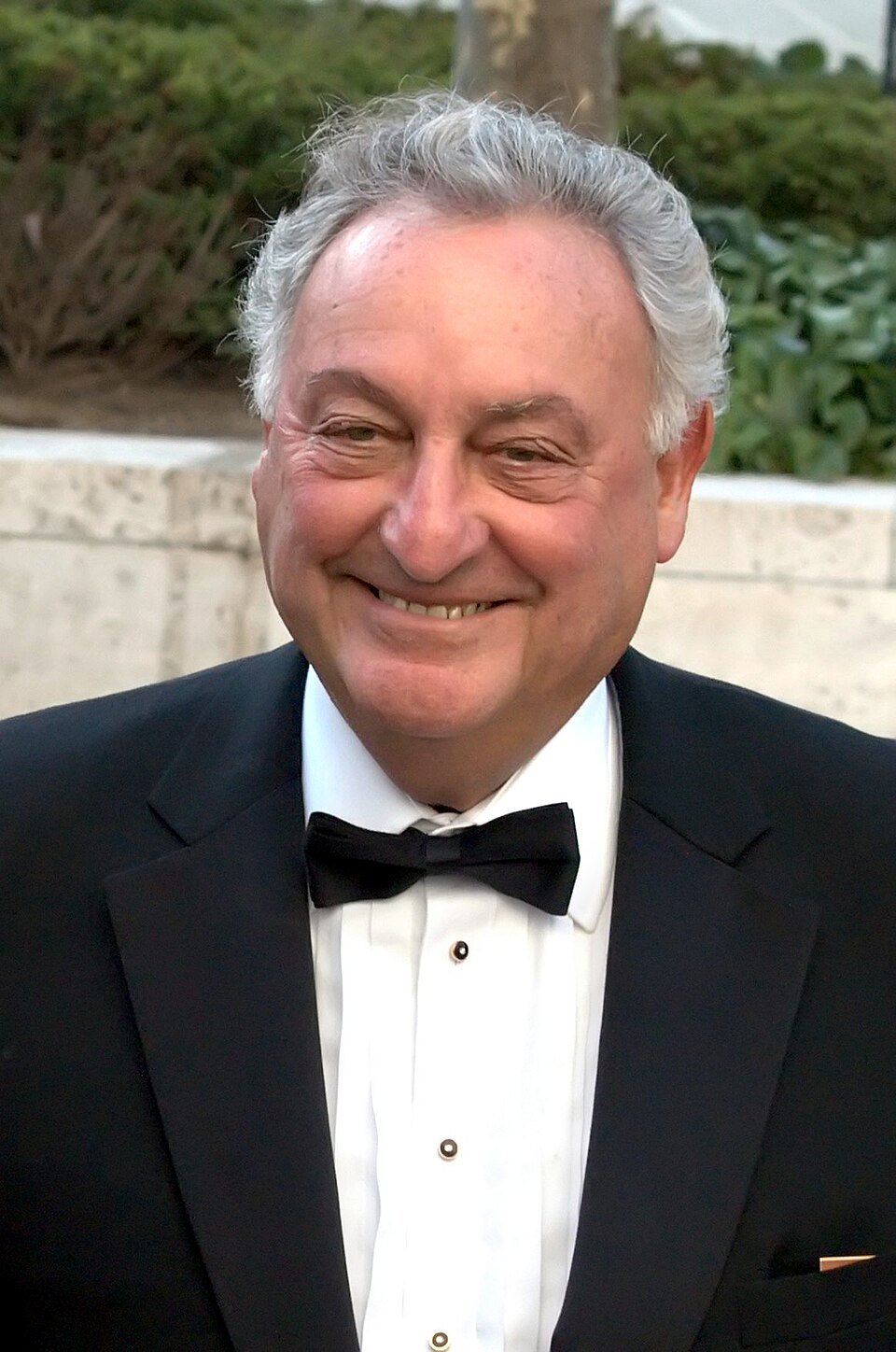
Early Life and Education in Brooklyn
Sanford Weill was born in Brooklyn, New York, to immigrant parents of Polish-Jewish descent. Growing up in a working-class environment, he developed a strong work ethic early in life. He eventually attended Cornell University, where he laid the foundation for his future endeavors in business and finance.
After finishing his education, he took his first steps into the financial sector by working at Bear Stearns on Wall Street. This initial entry allowed him to learn the mechanics of the investment business from the ground up. The experience gained during these formative years prepared him to venture out on his own and build a lasting enterprise.
Building Shearson and Wall Street Expansion
In May 1960, Sanford Weill joined forces with Arthur Carter, Roger Berlind, and Peter Potoma to establish their own firm, known initially as Carter, Berlind, Potoma and Weill. Over the subsequent decades, the company went through several name changes, eventually operating as Cogan, Berlind, Weill and Levitt. Serving as chairman from 1965 to 1984, he guided the firm through more than 15 acquisitions.
Through aggressive expansion and strategic buyouts, the organization grew into the second largest securities brokerage firm in the United States. Following additional corporate mergers, the business became known as Shearson Loeb Rhoades. This rapid growth caught the attention of larger financial corporations looking to expand their market reach.
The American Express Merger and Travelers Group
In 1981, Sanford Weill sold Shearson Loeb Rhoades to American Express for approximately $930 million in stock. This transaction marked a major milestone in his career, integrating his brokerage network into a massive financial services conglomerate. After spending time away from the firm, he returned to large-scale dealmaking by building Travelers Group.
His knack for identifying undervalued assets and merging disparate operations drove his ambition to create an all-encompassing financial supermarket. Instead of keeping traditional banking and insurance separate, he believed clients should be able to access every financial service under one roof. This vision directly challenged the regulatory boundaries of the era.
Creating Citigroup and Changing Financial Laws
In April 1998, Sanford Weill orchestrated a massive 76 billion dollar merger between Travelers Group and Citicorp. According to Forbes, this union formed Citigroup, creating the largest financial services company in the world at the time. He served as the chief executive officer and chairman of the newly formed titan.
To make this merger legally possible, intense political lobbying was required to overturn the Glass-Steagall Act, a Depression-era law that separated commercial banking from investment banking. While the strategy created a global powerhouse, critics later argued that the resulting institutions carried systemic risks that contributed to future financial panics. In hindsight, he and other architects of the era acknowledged the complexity and potential flaws of these giant financial structures.
Philanthropy and the Giving Pledge
Beyond his corporate career, Sanford Weill transitioned into a dedicated philanthropist alongside his wife, Joan. In 2010, the couple joined the Giving Pledge, committing to donate the vast majority of their wealth to charitable causes during their lifetimes. Their philanthropic focus spans education, medical research, and the arts.
He has held leadership roles in several prominent institutions, including serving as chairman of Carnegie Hall and Weill Cornell Medical College. Their donations have supported neuroscience research, international medical schools, and extensive youth education programs. For them, charitable giving involves active engagement and strategic investment in non-profit organizations rather than simple financial contributions.
Current Status and Legacy
Today, Sanford Weill is recognized as a transformative and controversial figure in modern financial history. His creation of Citigroup redefined how everyday consumers and major corporations handle money, loans, and investments. While his business strategies generated immense wealth, they also sparked enduring debates about the regulation of global banking.
He continues to reside in the United States, managing his philanthropic foundations and reflecting on a decades-long career. His legacy remains divided between those who view him as a visionary financial genius and critics who hold massive conglomerates responsible for economic instability. As financial markets continue to evolve, the structural changes he introduced on Wall Street remain part of everyday commerce.
Frequently Asked Questions
How did Sanford Weill make his money?
He accumulated his wealth primarily by building large brokerage firms, executing strategic corporate acquisitions, and orchestrating the multi-billion-dollar merger that created Citigroup. His successful career on Wall Street spanning several decades earned him a billionaire status, with an estimated net worth of 1.5 billion dollars.
Where does Sanford Weill live?
He primarily resides in the United States, maintaining properties and connections in New York as well as California. He and his wife have spent significant time supporting regional educational and cultural institutions near their homes.
What happened to Sandy Weill?
After stepping down as CEO of Citigroup in 2003 and relinquishing his role as chairman in 2006, he transitioned into full-time philanthropy. He currently dedicates his time and remaining wealth to educational institutions, medical research, and charitable foundations.
Who is Sandy Weill’s daughter?
He shares a family with his wife Joan, though public records and mainstream media coverage tend to focus primarily on his corporate career, philanthropy, and major board memberships rather than detailed private family profiles.